Configure the Copilot SDK lab environment
The Copilot SDK embeds an agent runtime in your application. It is not a library for sending code completions to the VS Code editor. Application identity, tools, permissions, and lifecycle are your responsibility.
Lab briefing
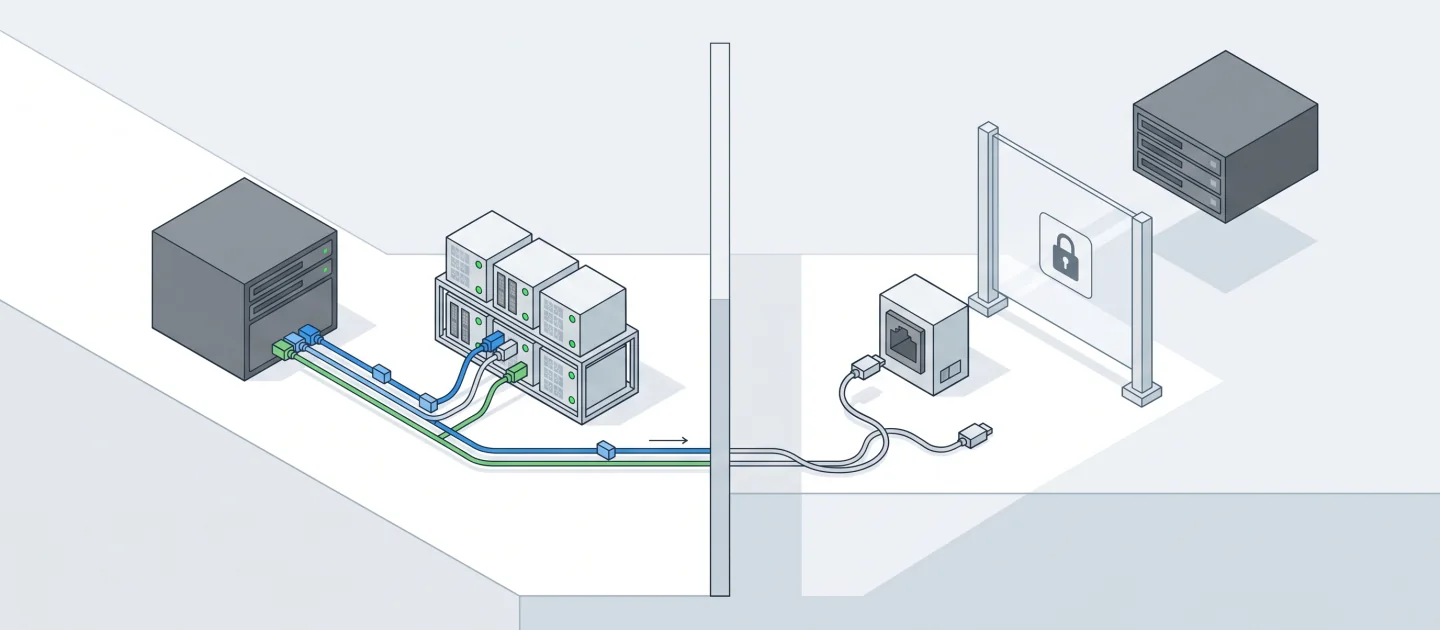
Original concept illustration (SVG)
| At a glance | Your route |
|---|---|
| Level and time | 200; 20 minutes (facilitation estimate) |
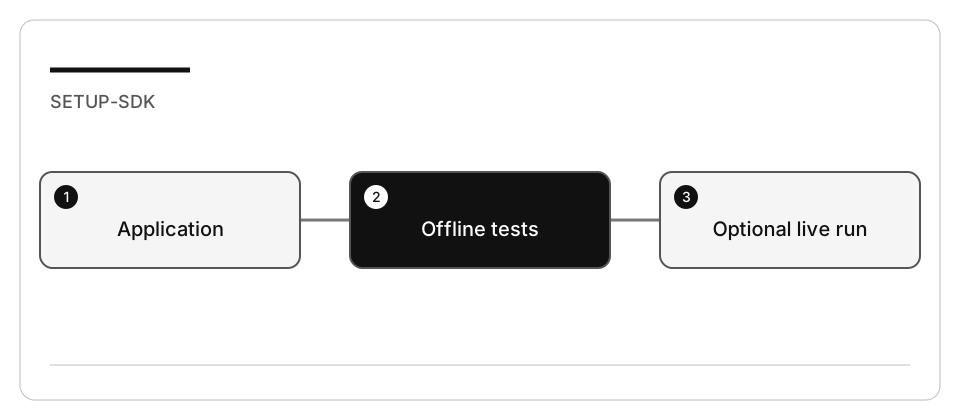
| Starting action | Start with synthetic order-status data and the offline application tests. |
| Learner materials | Download 16-sdk.zip |
| Workspace | Open the extracted kit root; run the baseline from . relative to that root |
| Expected initial check | The supplied baseline tests pass. |
| Setup help | Download, extract, local Git and optional GitHub |
[!NOTE] Editor access and SDK runtime authentication are separate boundaries.
Concepts · First task · Evidence checklist · Reset
Learning objectives
- Prepare local tests without invoking a model.
- Identify the runtime/package versions for the selected language.
- Separate VS Code, CLI, and application authentication.
Before you start
Use the work-drive setup and enable Copilot. The integrated exercise uses Node 24. A .NET adaptation is optional; LocalDB, SQL Server, Blazor, cloud resources, and database migrations are not required.
Concepts and use cases
| Boundary | Responsibility |
|---|---|
| Development assistant | Helps you author and review application code |
| SDK client/session | Starts and manages the application’s agent runtime |
| Application tool | Validates arguments and limits data/side effects |
| Permission callback | Decides which runtime operation may proceed |
| Offline test double | Verifies your application contract, not model behavior |
| Authenticated live run | Tests real SDK integration; consumes account resources |
Exercise scenario
You will prepare a small support assistant. It may read only synthetic order-status records owned by the trusted fixture actor. It must not execute shell commands, read arbitrary files, make purchases, or pretend a failed tool succeeded.
Task 1 - Prepare the selected fixture
-
From the curriculum root:
node scripts/prepare-hands-on.js --lab 16-sdk --destination /Volumes/T9/Dev/oss/workshop-runs/16-sdk -
Open the printed directory as the workspace root.
-
Inspect its README, package manifest, application boundary, and tests.
-
Run the offline command documented there before installing the optional SDK package. Record both the discovered tests and their exit code.
-
Do not install packages globally to solve a local import error.
Task 2 - Plan a live SDK run
- Read the official SDK setup and authentication pages linked below.
- Record the package version declared by the fixture; do not silently substitute
latestor a different SDK. - If you choose the optional live exercise, install that package in the disposable copy, using the work-drive cache.
- Verify authentication through the documented CLI/SDK flow. With the interactive
CLI, start
copilotand use/loginwhen prompted; record only success/failure. - Confirm available models rather than assuming a model shown in a screenshot.
- Review the permission handler before making a request. Do not use unrestricted approval to make a sample appear functional.
Checkpoint: state whether you validated offline application logic, SDK startup, authentication, or live inference. These are four different results.
Verify your work
- Offline tests can run without credentials or network.
- Dependencies and logs stay inside the disposable workspace/work drive.
- The application’s allowed data and operations are explicit.
- Live access, if attempted, uses the intended account and records failures.
- No API key or access token appears in a file, prompt, screenshot, or commit.
Troubleshooting
| Symptom | Diagnosis |
|---|---|
| SDK package missing | Offline checks should not import it; install only for the live step |
| Editor works, SDK fails | Verify the application’s authentication path separately |
| Operation denied | Inspect the request and permission policy; do not approve everything |
| No response or timeout | Record the error, close the session, stop the client |
Independent practice
Design the same boundary for .NET: session lifetime, cancellation, tool arguments, permission decisions, and error propagation. Record differences from the Node API; do not claim one language’s API signatures are portable.
Reset
Stop the application in its own terminal, close its session, and revoke any exercise-only credentials. Keep the original curriculum untouched. Remove the disposable copy only after saving redacted evidence.